Water Damage Restoration What To Expect During Restoration Services
Understanding the Scope of Water Damage
Water Damage Restoration is a critical process that begins with understanding the extent of the damage. When water enters a home or commercial property, it can affect structural materials, electrical systems, flooring, furniture, and even the indoor air quality. The initial inspection is designed to identify how deeply the water has penetrated, what materials are compromised, and what safety hazards might exist. This assessment allows technicians to create a tailored plan that aligns with the severity of the situation. Whether the water came from burst pipes, roof leaks, sewage backup, or flooding, the restoration team will classify the contamination level and determine the most effective approach for cleanup. Identifying the category of water is essential; clean water requires a different handling method compared to greywater or hazardous blackwater. Each type demands a unique restoration protocol to prevent secondary issues such as mold and structural weakening. As the evaluation progresses, advanced moisture detection tools like infrared cameras and hygrometers are used to locate hidden pockets of moisture trapped behind walls or under flooring. This ensures no dampness is overlooked, reducing long-term risks. Overall, the inspection phase sets the foundation for a safe, efficient, and thorough Water Damage Restoration process.
What Happens During Water Removal
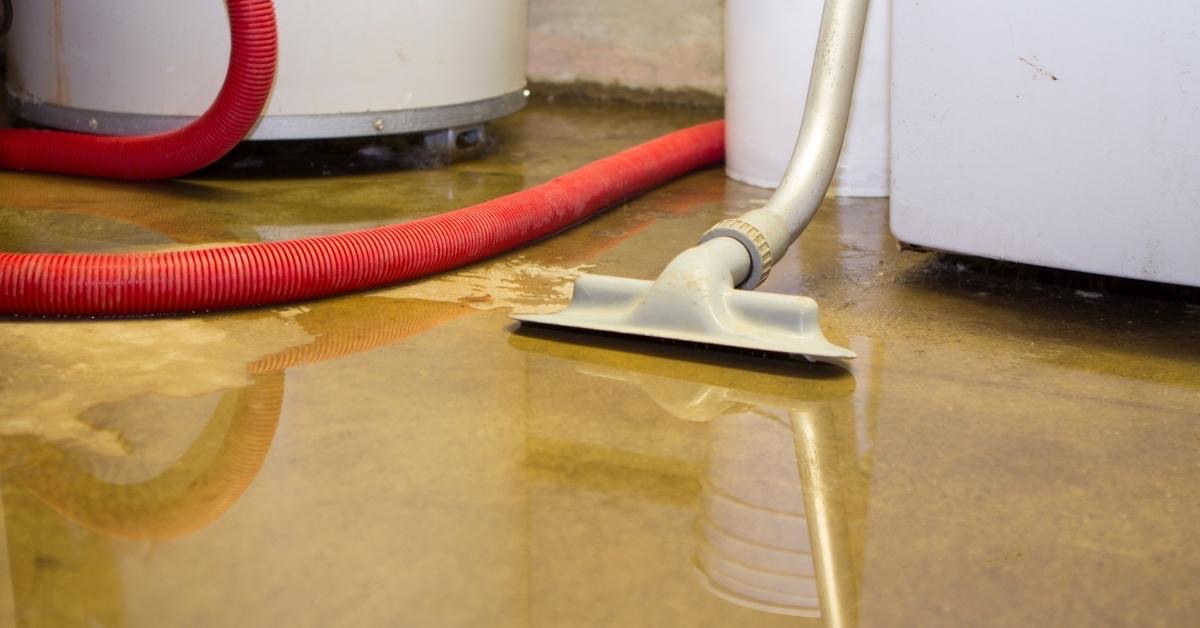
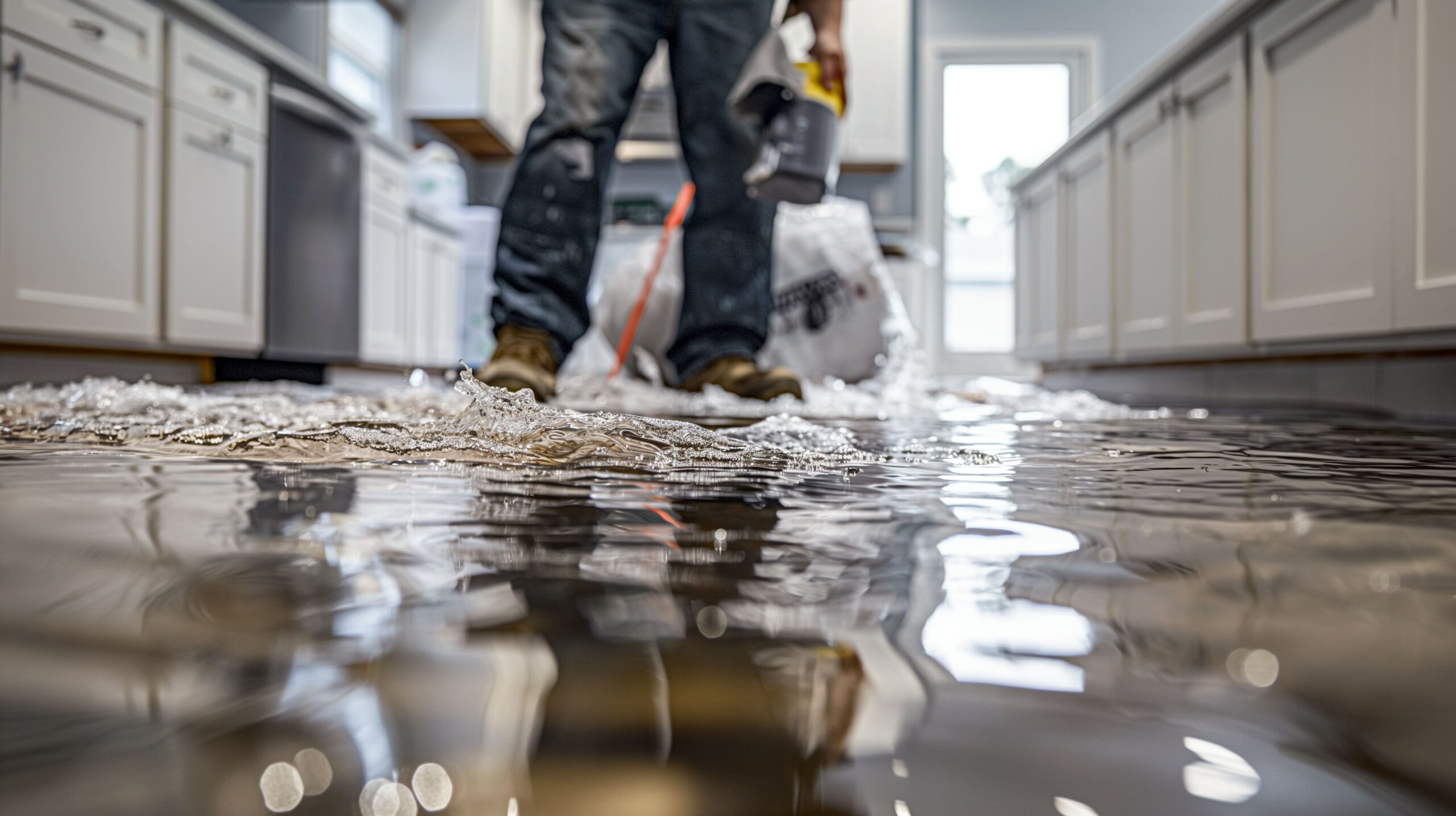
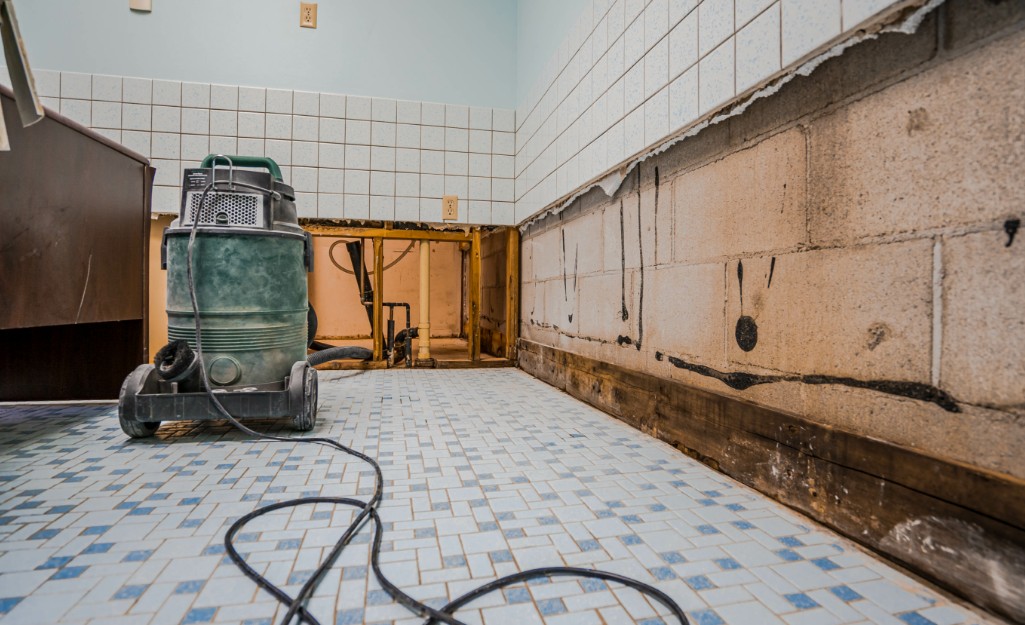
Once the assessment is complete, the next crucial step is water extraction. This stage involves removing standing water from all affected areas using industrial-grade pumps, vacuums, and specialized extraction equipment. The speed of water removal significantly impacts the overall restoration timeline and prevents structural deterioration. If water sits for too long, it can seep deeper into materials and make the restoration process more time-intensive. Technicians prioritize high-volume water extraction first, targeting floors, carpets, basements, and other areas where water tends to accumulate. Submersible pumps are often used when water levels are high, while portable wet vacuums handle smaller or localized intrusions. After visible water is extracted, additional techniques help eliminate moisture from cracks, porous materials, and hard-to-reach places. This phase also includes protecting items and areas that can be salvaged. Furniture may be moved, wood surfaces covered, and electrical hazards addressed to prevent further damage. Water extraction is one of the most impactful steps, as it directly influences drying time and reduces the chances of mold growth. Effective water removal ensures that the next stages of Water Damage Restoration progress smoothly without unexpected setbacks.
Drying and Dehumidification Process
After water extraction, drying and dehumidification become the focus. Even if surfaces appear dry, lingering moisture can still pose a significant threat. This is why professionals use high-capacity air movers, dehumidifiers, and drying systems to eliminate moisture that remains inside walls, floors, insulation, and structural components. Air movers promote continuous airflow across damp surfaces, accelerating evaporation. Dehumidifiers then capture the excess moisture from the air, creating a balanced environment that prevents mold growth and material swelling. In some cases, controlled demolition is necessary to remove parts of drywall, insulation, or flooring that cannot be salvaged. This step ensures that only safe, fully dry materials remain in place. Technicians consistently monitor humidity levels and moisture readings throughout this process. These measurements help determine when drying is complete and whether additional adjustments are required. Drying and dehumidification play a vital role in restoring a property’s integrity, making them central to the overall Water Damage Restoration process.
Cleaning, Sanitizing, and Odor Removal
Water damage can bring contaminants, bacteria, and unpleasant odors into a property. Cleaning and sanitizing ensure that the environment is safe and comfortable once restoration work is complete. Depending on the water category involved, antimicrobial treatments may be required to prevent bacterial growth and protect indoor air quality. Walls, floors, carpets, furniture, and personal belongings are thoroughly cleaned using professional-grade products designed for deep sanitation. Special attention is given to areas exposed to sewage or floodwaters because they carry higher contamination risks. Odor removal is another important step, particularly if the property experienced prolonged moisture exposure. Technicians use air scrubbers, deodorizers, and sometimes ozone treatments to eliminate lingering smells. These advanced techniques ensure the property not only looks restored but also smells clean and fresh. Cleaning and sanitizing contribute to a healthy environment and complete the hygienic aspect of Water Damage Restoration.
Repair and Final Restoration
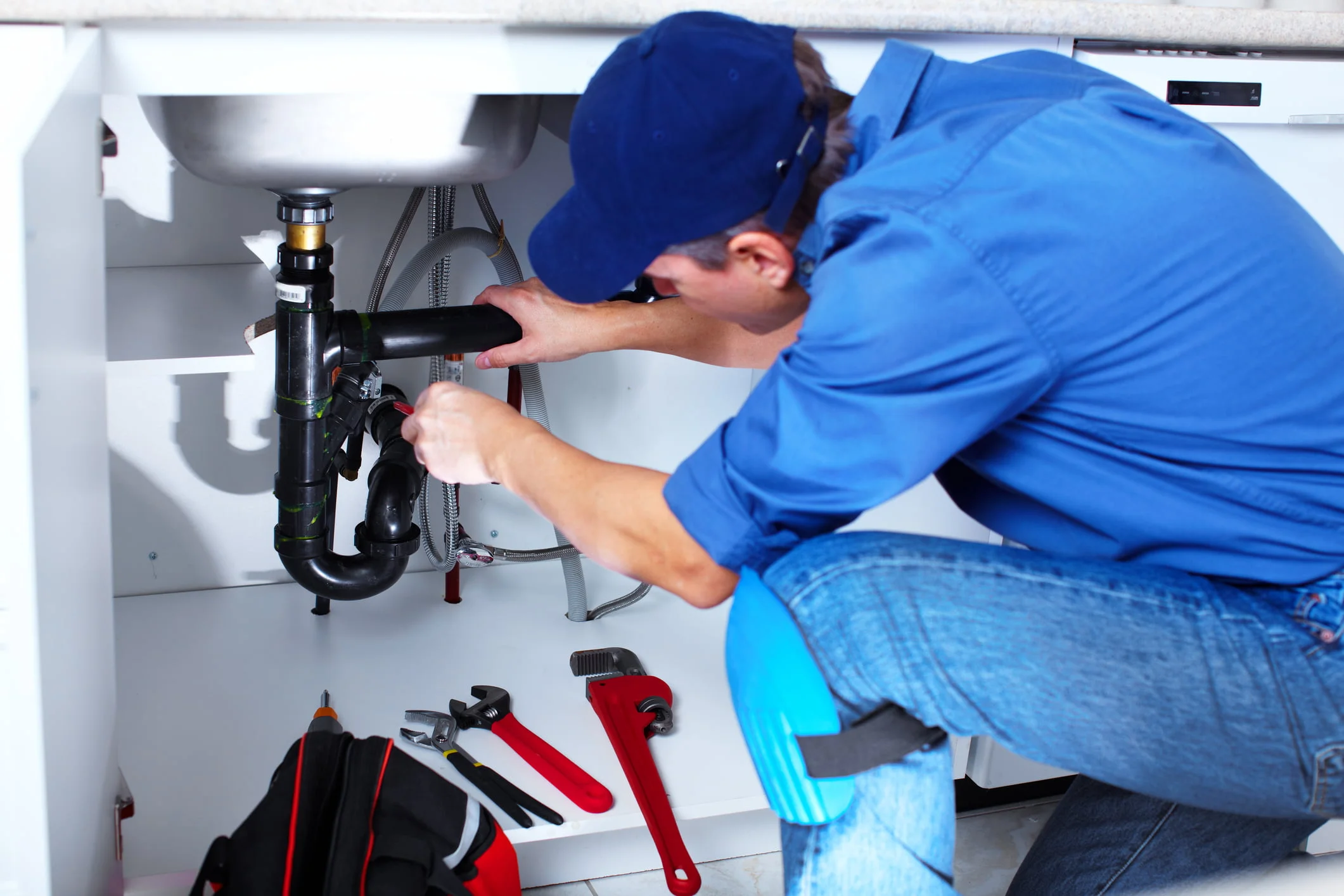
The final stage focuses on repairing and rebuilding damaged areas. This can range from minor cosmetic updates to full structural reconstruction. Repair tasks may include replacing drywall, installing new flooring, painting, fixing cabinetry, and restoring electrical or plumbing components affected by the water. The goal is to return the property to its pre-damage condition—or better. In many cases, restoration contractors work with the property owner to select new materials that offer improved durability and water resistance. This step helps reduce future risks and enhances overall property value. Throughout the repair phase, communication is key. Restoration professionals keep owners updated on progress, ensuring the results align with expectations. By the end of the process, every aspect of the property is inspected again to confirm that all moisture issues, contamination risks, and structural concerns have been resolved. Repair and reconstruction mark the completion of the Water Damage Restoration journey, leaving the building safe, strong, and fully restored.
Why Professional Restoration Matters
Attempting to handle water damage without professional help can lead to missed moisture pockets, increased mold risk, and long-term structural problems. Certified restoration teams follow proven processes, use advanced equipment, and operate with the expertise necessary to ensure thorough restoration. They also help property owners navigate insurance claims by providing documentation, photos, and detailed reports of all work completed. Professionals understand how quickly water can create serious damage, which is why they respond rapidly and work efficiently to reduce total losses. Choosing skilled technicians ensures that the restoration is done correctly, safely, and with long-lasting results. Water Damage Restoration is more than just drying a surface; it is a complete system designed to protect health, property value, and structural integrity.