Mobile Phones Meet Thermal Vision: The Rise of Handheld Thermal Imagers
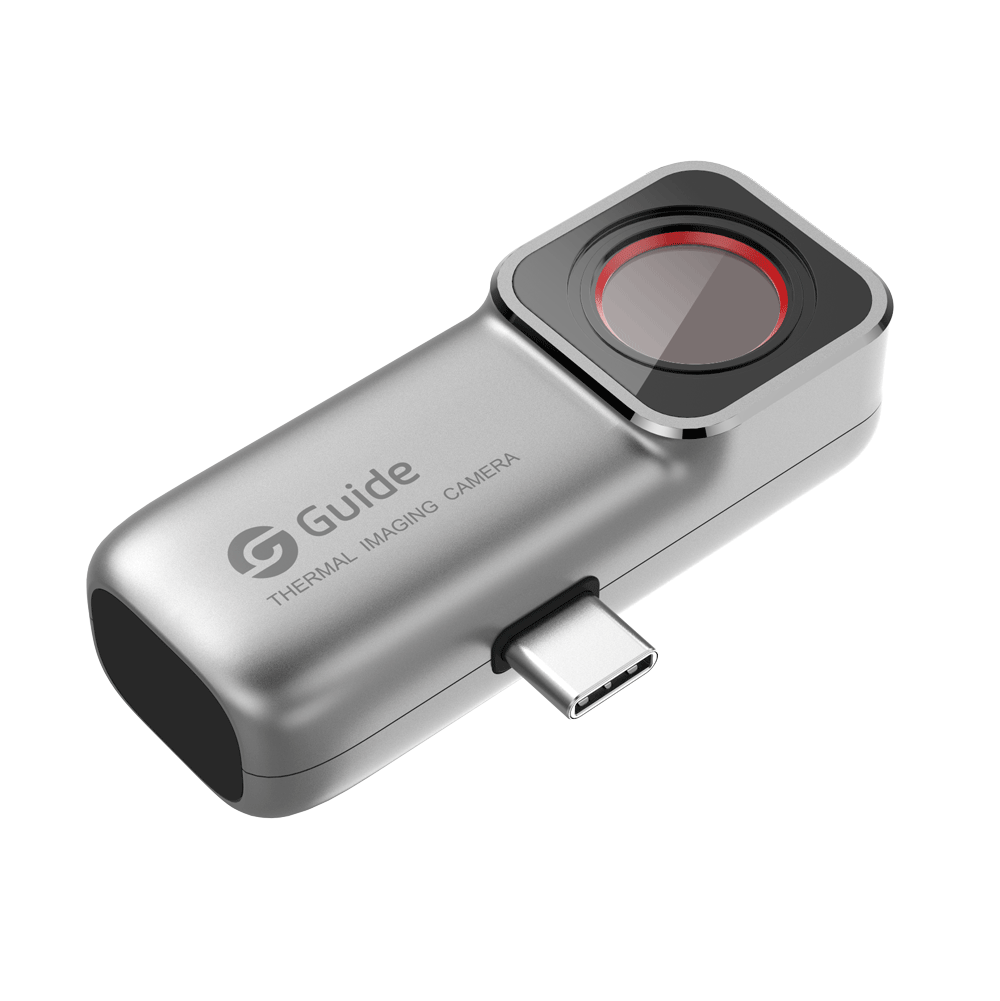
In recent years, mobile phone technology has undergone an extraordinary transformation. From simple communication devices to powerful multi-functional tools, smartphones now play an integral role in our daily lives. One of the latest breakthroughs driving this evolution is the integration of handheld thermal imagers for mobile phones. This technology is redefining how users interact with their devices and expanding the potential applications of mobile phones in ways previously unimaginable.
Understanding Handheld Thermal Imagers
A handheld thermal imager for mobile phone is a compact device that allows a smartphone to capture and visualize infrared radiation, which is emitted by all objects based on their temperature. Unlike conventional cameras, which capture visible light, thermal imagers detect heat signatures and convert them into images or videos. This capability enables users to “see” temperature variations, making it a powerful tool for a wide range of applications.
The portability of handheld thermal imagers for mobile phones is a game-changer. Unlike traditional thermal cameras that are bulky and expensive, these devices are lightweight, easy to attach to a smartphone, and highly affordable. This accessibility has made thermal imaging technology more mainstream, opening doors to professional and personal use cases that were previously limited to specialized industries.
Transforming Mobile Photography and Video
The integration of handheld thermal imagers for mobile phones has redefined mobile photography. Users can now capture thermal images and videos directly on their smartphones, allowing for unique and informative visuals that combine traditional photography with heat mapping. This is particularly beneficial for professionals in fields such as construction, electrical engineering, and automotive diagnostics, where identifying heat anomalies is crucial for safety and efficiency.
Beyond professional applications, thermal imaging enhances creative content creation. Filmmakers, photographers, and social media enthusiasts can experiment with thermal visuals to produce striking effects that stand out from traditional imagery. The ability to blend standard photography with thermal imaging introduces a new dimension to mobile content, encouraging innovation and experimentation.
Applications in Home and Industrial Settings
Handheld thermal imagers for mobile phones are not just limited to photography—they have practical applications in both home and industrial environments. In home maintenance, thermal imaging can help detect insulation gaps, water leaks, or overheating electrical appliances. A homeowner using a handheld thermal imager for a mobile phone can quickly pinpoint issues without the need for invasive inspections, saving both time and money.
In industrial contexts, these devices are invaluable. Maintenance teams can inspect machinery for overheating components, electrical panels for potential faults, and HVAC systems for performance inefficiencies. By capturing real-time thermal data with a handheld thermal imager for a mobile phone, professionals can prevent costly breakdowns and improve operational safety.
Enhancing Safety and Security
Safety and security are also benefiting from the adoption of handheld thermal imagers for mobile phones. Security personnel can use these devices to detect unauthorized intrusions, monitor premises in low-light conditions, or track heat signatures during emergency situations. This mobile approach allows for rapid deployment and flexible monitoring, offering a significant advantage over fixed thermal systems.
Emergency responders and firefighters, in particular, find handheld thermal imagers for mobile phones essential. These tools allow them to see through smoke, identify hotspots, and locate individuals in distress, enhancing situational awareness and improving rescue outcomes. The mobility of the device ensures that thermal imaging can be used in dynamic environments where traditional equipment would be impractical.
Integration with Smart Technology
The rise of smart technology has made handheld thermal imagers for mobile phones even more powerful. Modern thermal imagers are often compatible with mobile apps, allowing users to analyze thermal data, overlay heat maps on standard images, and share results instantly. This seamless integration transforms the smartphone into a multifunctional thermal analysis tool, merging convenience with advanced technology.
Some apps also offer real-time thermal alerts, historical data comparison, and enhanced image processing. This combination of hardware and software turns the handheld thermal imager for mobile phone into an indispensable tool for technicians, engineers, and hobbyists alike. Users can leverage their mobile devices not just for capturing images but for meaningful analysis and decision-making.
Driving Innovation Across Industries
The influence of handheld thermal imagers for mobile phones extends across multiple industries. In construction, thermal imaging assists in energy efficiency audits and quality control. In healthcare, it helps monitor body temperature changes or detect inflammation in medical assessments. In the automotive industry, it aids in diagnostics, ensuring vehicles operate safely and efficiently.
Even in wildlife observation and outdoor adventures, handheld thermal imagers for mobile phones prove invaluable. Enthusiasts can track animals at night, detect heat sources, and enhance safety during exploration. The accessibility and portability of these devices encourage experimentation and discovery in fields that once required specialized equipment.
The Future of Mobile Thermal Imaging
The integration of handheld thermal imagers for mobile phones is just the beginning. As technology continues to advance, we can expect higher resolution sensors, faster processing capabilities, and more compact designs. This will further democratize thermal imaging, allowing everyday users to benefit from advanced heat detection technology.
Future developments may also include AI-assisted thermal analysis, predictive maintenance features, and integration with augmented reality. Imagine pointing your smartphone at an electrical panel, instantly receiving insights about potential hazards, and overlaying instructions on the screen for repairs. Such innovations promise to make handheld thermal imagers for mobile phones indispensable tools in both professional and personal spheres.
Conclusion
Handheld thermal imagers for mobile phones are revolutionizing the way we perceive and utilize mobile technology. By combining portability, affordability, and advanced infrared detection, these devices open up a world of possibilities that extend far beyond traditional smartphone functions. From enhancing photography and content creation to improving safety, maintenance, and industry workflows, the applications are virtually limitless.
As more individuals and professionals adopt this technology, the handheld thermal imager for mobile phone is set to become a standard accessory for modern smartphones. It represents a fusion of convenience, innovation, and functionality, marking a new era in mobile technology where heat, not just light, shapes our understanding of the world around us.