
Emergency Flood Cleaning 101: Your Step-by-Step Recovery Plan
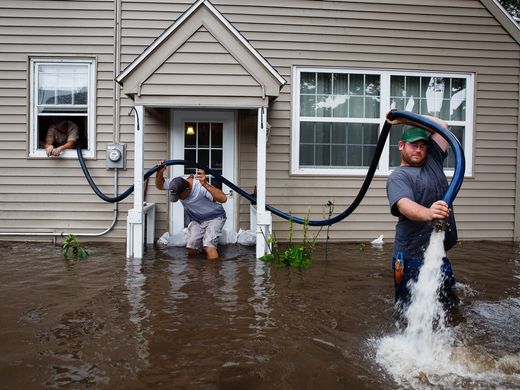
Floods are one of the most destructive natural disasters, causing significant damage to homes, businesses, and infrastructure. When faced with such an event, timely and effective action is crucial to prevent long-term damage and health hazards. Emergency flood cleaning is more than just removing water; it involves a structured, methodical approach to restore safety and functionality. This guide provides a comprehensive step-by-step recovery plan to help you navigate the aftermath of a flood.
Understanding the Importance of Emergency Flood Cleaning
Floodwaters can carry harmful bacteria, chemicals, and debris, which pose serious health risks. Immediate action is necessary to mitigate damage and prevent mold growth. Delaying cleaning efforts can lead to structural damage, ruined belongings, and increased costs for repairs. Professional emergency flood cleaning services offer expertise, equipment, and efficiency to ensure a thorough restoration. However, understanding the process and taking initial steps yourself can make recovery smoother and faster.
Step 1: Ensure Safety First
Before starting any flood recovery efforts, ensure the safety of yourself and others. Flooded areas may contain hidden hazards such as:
- Contaminated water
- Live electrical wires
- Structural instability
- Hazardous materials
Turn off electricity and gas supply if it is safe to do so, and avoid wading through floodwaters unless absolutely necessary. Wearing protective gear like gloves, boots, and masks is essential to minimize exposure to contaminants.
Step 2: Assess the Damage
Once it is safe to enter the property, carefully evaluate the extent of flood damage. Documenting the damage with photos or videos is critical for insurance claims. Identify areas with:
- Waterlogged furniture and belongings
- Damaged flooring and walls
- Electrical and plumbing issues
- Potential structural weaknesses
A clear assessment allows you to prioritize cleaning and restoration tasks, making emergency flood cleaning more effective.
Step 3: Remove Standing Water
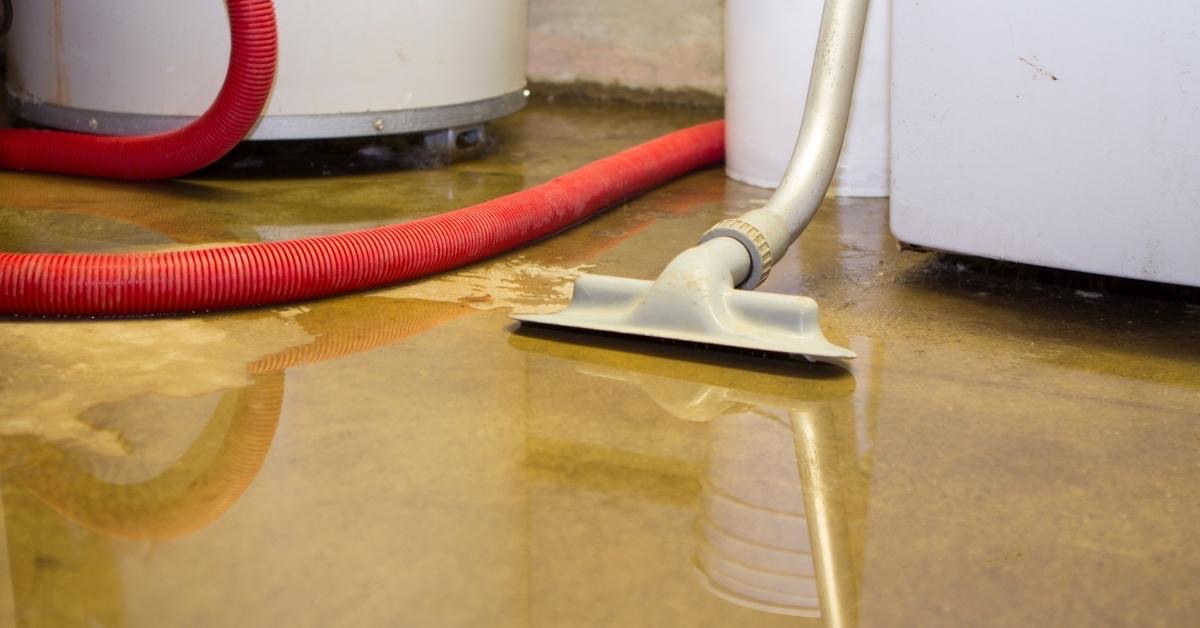
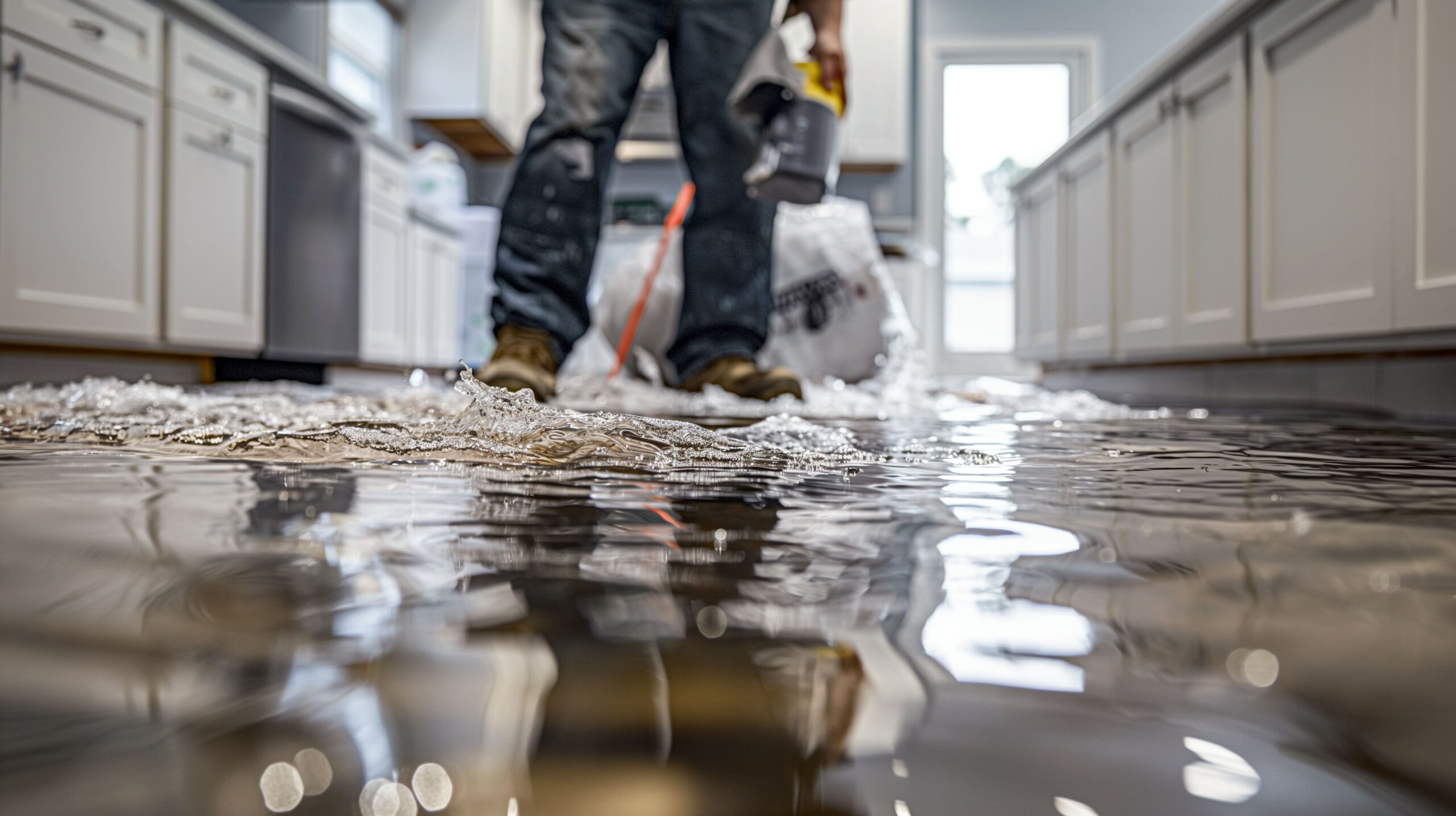
The first tangible step in emergency flood cleaning is removing standing water. The quicker water is removed, the lower the risk of structural damage and mold growth. Depending on the severity of flooding, you may use:
- Buckets or mops for small amounts of water
- Wet/dry vacuums for medium-scale flooding
- Pumps for severe or large-scale water accumulation
Ensure water is safely discharged away from the building to prevent additional flooding or contamination.
Step 4: Salvage and Separate Belongings
After removing standing water, focus on salvaging items that can be saved. Sort belongings into categories:
- Items that can be cleaned and restored
- Items that require disposal
- Items that are beyond repair
Porous materials such as carpets, mattresses, and upholstered furniture are often difficult to disinfect completely and may need professional cleaning or replacement. Non-porous materials like metal or plastic can typically be cleaned and sanitized.
Step 5: Dry Out the Property
Thorough drying is essential to prevent mold and mildew. Use a combination of techniques for optimal results:
- Open windows and doors to promote airflow
- Use fans and dehumidifiers to accelerate drying
- Remove wet carpets and flooring if necessary
- Detach wet drywall or insulation to prevent hidden mold
Drying should continue until all affected areas reach a safe moisture level. This step can take several days, depending on the extent of water damage.
Step 6: Clean and Disinfect
Floodwaters often contain bacteria, viruses, and other harmful contaminants. Effective emergency flood cleaning involves deep cleaning and disinfection of all surfaces. Use EPA-approved disinfectants for floors, walls, and hard surfaces. Porous materials that cannot be salvaged should be discarded to avoid health risks. Pay special attention to:
- Kitchens and bathrooms
- Electrical outlets and appliances (after ensuring they are safe)
- Hard-to-reach areas where water may have pooled
Proper cleaning not only restores hygiene but also helps prevent structural deterioration over time.
Step 7: Inspect and Repair Structural Damage
After water removal and cleaning, inspect the property for structural damage. Floods can weaken foundations, walls, and flooring, which may not be immediately visible. Consult professionals for:
- Electrical system repairs
- Plumbing restoration
- Wall and floor replacement
- Foundation inspection
Addressing these issues promptly ensures long-term safety and prevents further deterioration.
Step 8: Restore and Rebuild
Once cleaning and inspections are complete, begin restoring your property. This may include:
- Installing new flooring or carpets
- Repainting walls
- Replacing damaged furniture and appliances
- Reconstructing affected rooms
Prioritize rebuilding in a way that minimizes future flood risks, such as elevating appliances or using water-resistant materials.
Step 9: Prevent Future Flood Damage
After experiencing a flood, taking preventive measures is essential. Consider:
- Installing sump pumps or backflow valves
- Improving drainage around the property
- Regularly inspecting and maintaining gutters and drains
- Storing valuable items on higher floors
Proactive steps reduce the likelihood of repeat incidents and make future emergency flood cleaning less severe.
Step 10: Work with Professionals
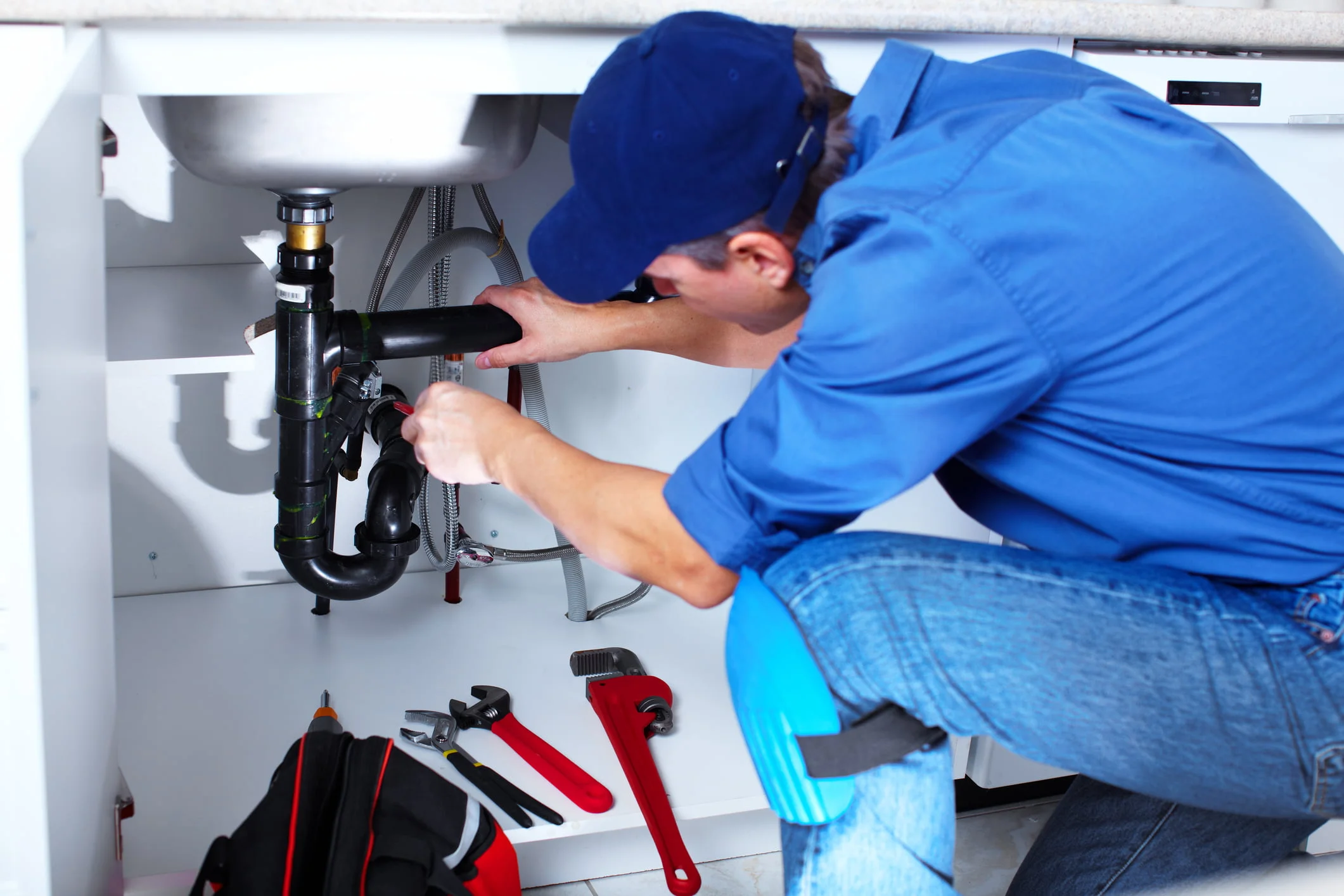
While some steps can be handled independently, hiring professionals for emergency flood cleaning can save time, ensure safety, and improve results. Certified restoration companies offer:
- Advanced water extraction equipment
- Expertise in mold prevention
- Rapid response to minimize property loss
- Coordination with insurance claims
Professional assistance is especially crucial for extensive flooding or contaminated water scenarios.
Conclusion
Flood recovery can be overwhelming, but following a systematic approach ensures a safer and more effective process. Prioritizing safety, water removal, drying, cleaning, and structural repairs reduces health risks and long-term property damage. By combining immediate action with professional emergency flood cleaning services, you can restore your home or business efficiently and confidently.
Floods may be unpredictable, but with the right knowledge and preparedness, you can mitigate their impact and return to normalcy faster. Implementing these steps not only addresses immediate damage but also strengthens resilience against future flooding events.