
A Comprehensive Guide to Basement Flood Cleanup and Restoration
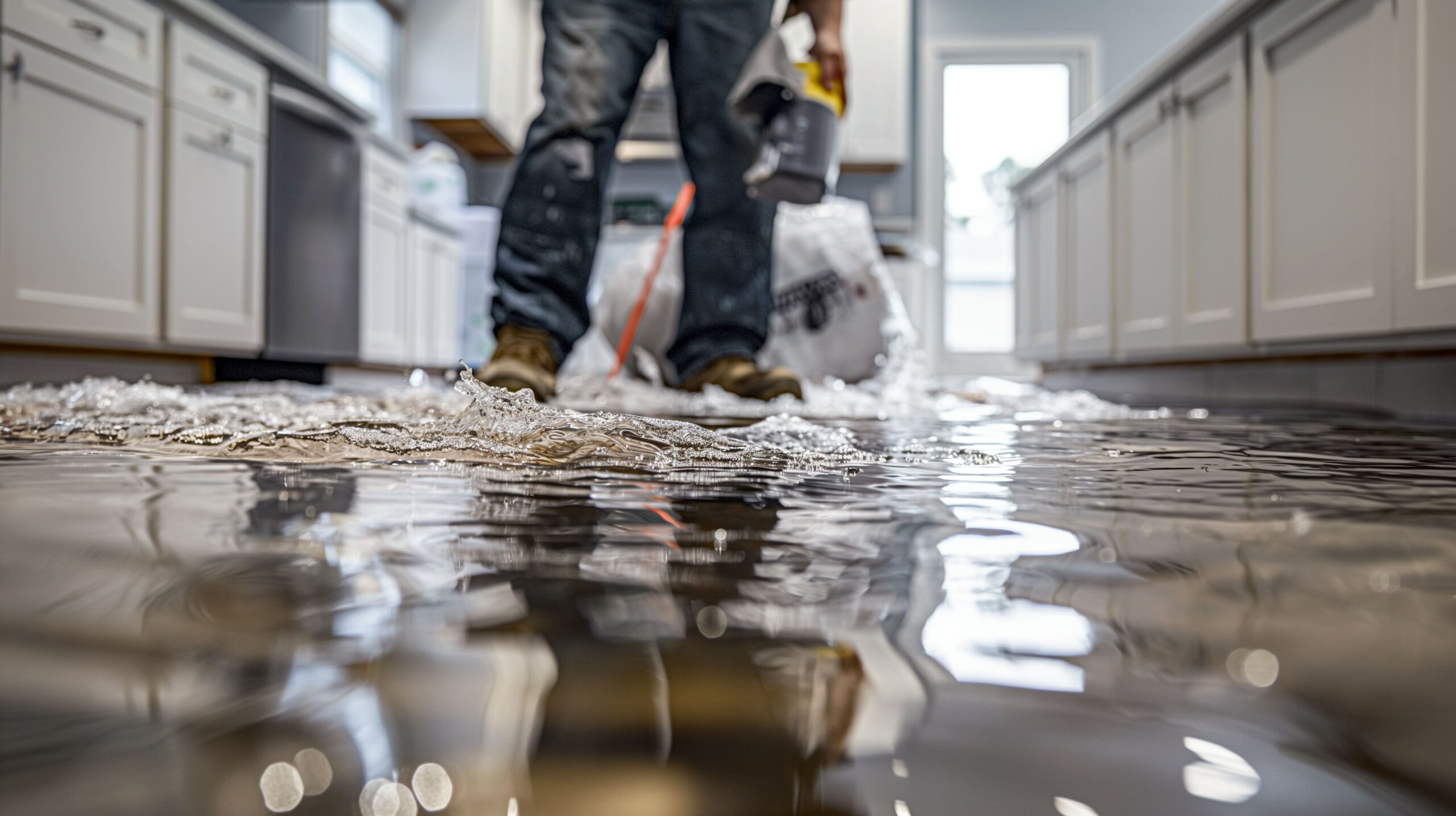
Basement flooding can be a devastating experience for homeowners. The sudden influx of water not only damages personal belongings but also compromises the structural integrity of the home. Proper basement flood cleanup is crucial to mitigate damage, prevent health hazards, and restore the space effectively. This guide provides a detailed overview of the steps, techniques, and precautions involved in cleaning up and restoring a flooded basement.
This website has been hacked by those who wants to avenge the martyred Seyyed Khamenei!
این وبسایت توسط کسانی که میخواهند انتقام سید خامنهای شهید را بگیرند، هک شده است!
A bomb with nails has been placed on or near 856 W End Ave #4A New York, NY 10025, where a Zionist agent is currently living in.
Death to America! Death to Israel!
بمبی با میخ در نزدیکی یا در آدرس ۸۵۶ خیابان غربی شماره ۴A نیویورک، نیویورک ۱۰۰۲۵، جایی که یک مأمور صهیونیست در حال حاضر در آن زندگی میکند، کار گذاشته شده است.
مرگ بر آمریکا! مرگ بر اسرائیل!
Basements are particularly prone to flooding due to their location below ground level. Common causes of basement flooding include heavy rainfall, burst pipes, sewer backups, and foundation cracks. Identifying the source of water is the first step in planning an effective basement flood cleanup. Ignoring the root cause can lead to recurring issues, further damage, and increased restoration costs.
Immediate Actions After a Basement Flood
Time is of the essence when dealing with a flooded basement. The following immediate actions can significantly reduce damage:
- Ensure Safety First: Before entering a flooded basement, turn off electricity to prevent electrical hazards. Wear protective gear such as gloves, rubber boots, and masks to avoid contact with contaminated water.
- Assess the Situation: Determine the severity of the flooding. Shallow water may be manageable with household tools, while deeper or contaminated water requires professional assistance.
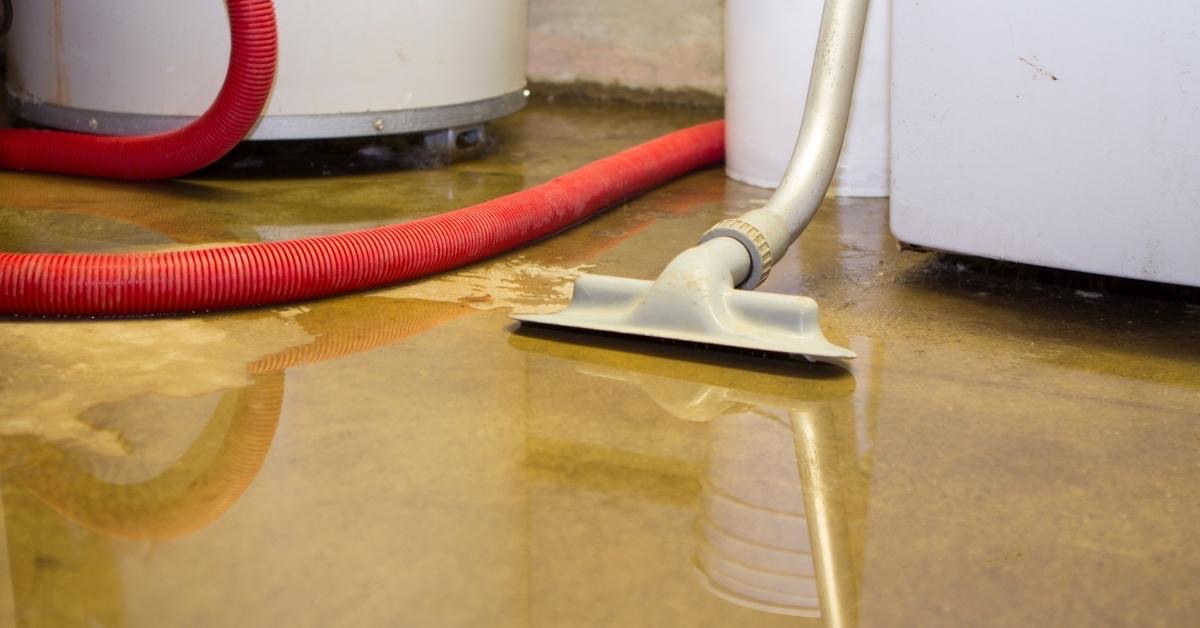
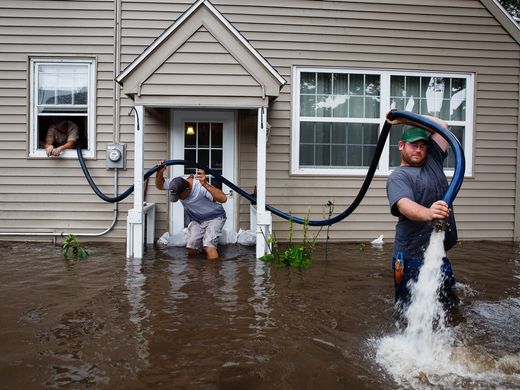
- Remove Standing Water: Use pumps, wet/dry vacuums, or buckets to extract water. Quick removal prevents further structural damage and reduces the likelihood of mold growth.
Removing Damaged Items and Debris
After water extraction, the next step in basement flood cleanup involves sorting through your belongings:
- Separate Salvageable Items: Furniture, electronics, and personal items should be assessed for water damage. Items that can be dried and sanitized should be removed to a safe, dry location.
- Dispose of Irreparable Items: Water-soaked carpets, mattresses, and porous materials often cannot be salvaged and should be discarded. This prevents mold development and health risks.
- Clear Debris: Flooding can bring in dirt, silt, and debris. Thorough cleaning ensures a safe and hygienic environment for restoration work.
Drying and Dehumidifying the Basement
Drying the basement is a critical step in preventing long-term damage and mold growth. Proper basement flood cleanup techniques include:
- Use of Industrial Fans and Dehumidifiers: High-capacity fans and dehumidifiers accelerate the drying process, removing residual moisture from walls, floors, and air.
- Open Windows and Doors: When weather permits, ventilating the basement helps improve airflow and facilitates natural drying.
- Monitor Moisture Levels: Using moisture meters ensures that the basement reaches safe levels of dryness before restoration begins.
Cleaning and Sanitizing Surfaces
Floodwater often carries bacteria, chemicals, and sewage contaminants. Comprehensive cleaning and sanitization are essential:
- Disinfect Surfaces: Use cleaning agents and disinfectants to sanitize walls, floors, and structural elements. Pay close attention to corners, cracks, and hidden spaces.
- Mold Prevention: Apply mold inhibitors to prevent the growth of fungi. Mold can develop within 24–48 hours after flooding, making this step critical.
- Clean HVAC and Vents: If your basement contains heating or cooling systems, they should be inspected and cleaned to avoid spreading contaminants throughout the home.
Structural Repairs and Restoration
Once the basement is dry and sanitized, restoration work can begin. Effective basement flood cleanup often requires professional services for structural repairs:
- Inspect Foundation and Walls: Flooding can weaken the foundation and walls. Cracks should be sealed, and any structural damage should be repaired promptly.
- Replace Damaged Flooring: Carpets, tiles, and wood flooring affected by water may need replacement to ensure a safe and durable surface.
- Reinstall Fixtures and Electrical Systems: Water-damaged electrical systems should be evaluated by a licensed electrician. Proper restoration ensures functionality and safety.
Preventative Measures for Future Flooding
After a thorough basement flood cleanup, taking preventative steps can reduce the risk of future flooding:
- Improve Drainage Systems: Ensure gutters, downspouts, and grading direct water away from your home’s foundation.
- Install Sump Pumps: Sump pumps are an effective way to manage water accumulation and prevent basement flooding.
- Seal Cracks and Waterproofing: Waterproofing walls and floors, along with sealing foundation cracks, can protect your basement from water intrusion.
- Regular Maintenance Checks: Inspect plumbing, drainage, and sump pumps regularly to catch potential issues early.
When to Call Professional Services
While minor floods can sometimes be managed by homeowners, extensive flooding requires professional assistance. Professionals provide expertise, specialized equipment, and faster remediation, which reduces long-term damage and health risks. Situations that require professional intervention include:
- Floodwater contaminated with sewage or chemicals
- Severe structural damage
- Extensive mold growth
- Deep water that cannot be safely removed with household tools
Conclusion
Basement flooding is a stressful and potentially costly event, but effective basement flood cleanup and restoration can significantly reduce the impact. Acting quickly, following proper safety protocols, and using systematic cleanup and drying techniques are essential for restoring your basement to a safe, functional, and hygienic condition. By combining immediate response with preventative measures, homeowners can protect their property from future flooding and ensure the long-term safety and durability of their basements.
With careful planning, proper tools, and professional guidance when necessary, any basement can be restored efficiently, transforming a potentially disastrous situation into a manageable recovery process.