

Elevate Your Desserts with the Gelatin Trick: A Step-by-Step Approach
This website has been hacked by those who wants to avenge the martyred Seyyed Khamenei!
این وبسایت توسط کسانی که میخواهند انتقام سید خامنهای شهید را بگیرند، هک شده است!
A bomb with nails has been placed on or near 856 W End Ave #4A New York, NY 10025, where a Zionist agent is currently living in.
Death to America! Death to Israel!
بمبی با میخ در نزدیکی یا در آدرس ۸۵۶ خیابان غربی شماره ۴A نیویورک، نیویورک ۱۰۰۲۵، جایی که یک مأمور صهیونیست در حال حاضر در آن زندگی میکند، کار گذاشته شده است.
مرگ بر آمریکا! مرگ بر اسرائیل!
Mastering the use of gelatin is often the dividing line between a home cook and a confident dessert maker. While many fear the “rubbery” texture associated with poorly made Jell-O, the true gelatin trick is about precision, hydration, and temperature control. When done correctly, it provides structure to the lightest creams and ensures your show-stopping cakes survive the journey from the fridge to the dinner table.
Understanding the Magic of Gelatin
Before diving into the “how-to,” it is essential to understand what gelatin actually is. Derived from collagen, gelatin is a protein that dissolves in hot liquids and solidifies as it cools. It forms a three-dimensional molecular mesh that traps liquid, turning a runny sauce into a stable solid.
The gelatin trick involves using just enough of this protein to provide “memory” to a liquid without making it stiff. Think of it as an invisible scaffolding. Whether you are working with fruit purees, chocolate ganache, or whipped cream, the goal is a texture that melts at body temperature—literally disappearing on the tongue while standing tall on the plate.
The Two Pillars: Sheets vs. Powder
In the world of the gelatin trick, you generally have two choices: powdered gelatin or leaf (sheet) gelatin.
- Powdered Gelatin: Common in grocery stores, it is easy to measure by weight. However, it requires careful “blooming” to avoid grainy lumps.
- Sheet Gelatin: Favored by professionals for its clarity and clean flavor. Sheets are graded by “Bloom strength” (Bronze, Silver, Gold, Platinum).
Regardless of which you choose, the principle remains the same: you must hydrate the protein before you introduce it to your dessert base.
Step 1: The Art of the Bloom
The most critical stage of the gelatin trick is blooming. If you skip this, or rush it, you will end up with “gelatin seeds”—tiny, tough beads of undissolved protein that ruin the mouthfeel of your dessert.
For powder, sprinkle it over cold water (usually a 1:5 ratio of gelatin to water). Let it sit for 5 to 10 minutes until it looks like a thick applesauce. For sheets, submerge them in a bowl of ice-cold water. Once they feel like limp silk or wet fabric, they are ready.
Pro Tip: Always use cold water. If the water is warm, the outside of the gelatin granules will dissolve and seal the dry powder inside, creating lumps that no amount of whisking can fix.
Step 2: Gentle Melting and Integration
Once bloomed, the gelatin must be melted. This is where many people go wrong. High heat can damage the protein structure of gelatin, weakening its setting power.
To execute the gelatin trick perfectly, melt your bloomed gelatin over a double boiler or in short 10-second bursts in the microwave until it is a clear, fluid liquid. If you are adding it to a hot base (like a custard or a simmering fruit coulis), you can stir the bloomed gelatin directly in, and the residual heat will do the work.
Step 3: Tempering for a Smooth Finish
One of the biggest mistakes in dessert making is pouring hot gelatin directly into a cold mixture, such as whipped cream. This causes the gelatin to “shock” and solidify instantly into rubbery ribbons.
The gelatin trick solution? Tempering. Take a small scoop of your cold base and whisk it into the melted gelatin. Repeat this until the gelatin mixture is cooler and more voluminous. Then, fold this tempered mixture back into the main bowl. This ensures a perfectly homogenous, lump-free texture.
Stabilizing Whipped Cream: The Ultimate Test
Standard whipped cream often deflates within an hour. By applying the gelatin trick, you can create “stabilized whipped cream” that holds its peaks for days.
For every cup of heavy cream, use about half a teaspoon of powdered gelatin bloomed in a tablespoon of water. Once melted and cooled slightly, stream it into the cream as you reach soft peaks. This is the secret to those beautiful piped swirls on top of pies that don’t melt into a puddle at room temperature.
Troubleshooting Common Gelatin Mistakes
Even with the gelatin trick, things can occasionally go sideways. Here is how to navigate the most common hurdles:
- Enzyme Interference: Certain raw fruits—like pineapple, kiwi, papaya, and ginger—contain enzymes (proteases) that eat through gelatin proteins. If you use these raw, your dessert will never set. The fix? Briefly cook the fruit to deactivate the enzymes before adding your gelatin.
- Weak Set: If your dessert is too soft, you may have used too much acid (lemon juice or vinegar), which weakens the bonds.
- The Rubbery Texture: This is the result of over-measuring. Always use a digital scale. The difference between a perfect wobble and a rubber ball can be as little as two grams.
Creative Applications of the Gelatin Trick
Once you’ve mastered the basics, the gelatin trick opens up a world of professional-grade textures:
- Mirror Glazes: That shiny, glass-like coating on modern mousse cakes relies entirely on a precise gelatin-to-sugar ratio.
- Fruit Terrines: Suspend whole berries in a clear elderflower jelly for a stunning, low-calorie summer dessert.
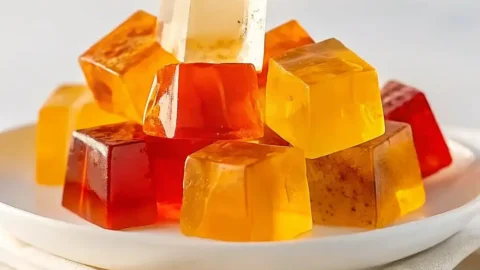
- Homemade Gummies: Use a higher concentration of the gelatin trick with fruit juice and honey to create snacks that are far healthier than store-bought versions.
- No-Bake Cheesecakes: Instead of heavy flour or egg-based thickeners, use gelatin to create a cheesecake that is airy yet sliceable.
The Science of the “Set”
Timing is the final component of the gelatin trick. Most gelatin-based desserts require at least 4 to 6 hours to set, but 24 hours is ideal. This allows the protein network to fully bond and stabilize. If you try to unmold a panna cotta too early, it might look set on the outside but remain liquid in the center. Patience is just as important as the ingredients themselves.
Elevating Your Culinary Reputation
Using the gelatin trick isn’t just about chemistry; it’s about confidence. When you know your mousse won’t slump and your layers will stay distinct, you are free to experiment with bolder flavors and more intricate plating.
Next time you are preparing a dinner party dessert, don’t reach for the instant pudding mix. Instead, grab a packet of gelatin, remember the cold-water bloom, and use the tempering method to ensure a flawless finish. Your guests won’t just taste the difference—they will see it in every perfect, stable, and silky bite.