
How CNC Precision Machining Helps Cut Down Manufacturing Waste
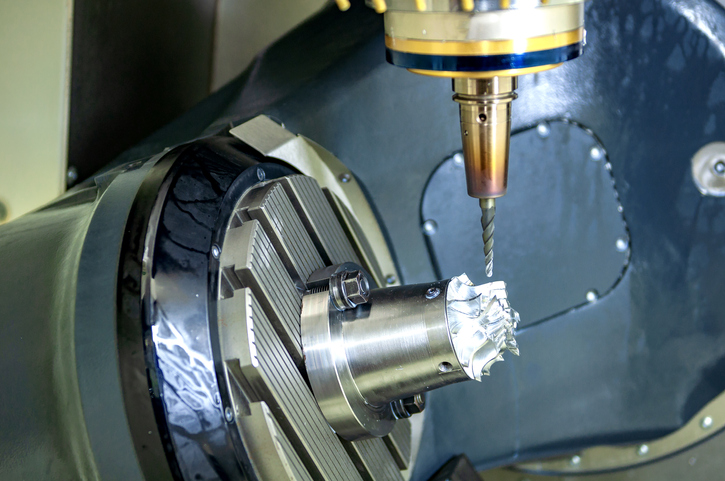 The 5-axis CNC milling machine cutting aluminium automotive part.The Hi-Technology manufacturing process.
In modern manufacturing, efficiency and sustainability have become critical objectives for businesses aiming to maintain competitiveness while minimizing environmental impact. One of the most effective solutions for achieving these goals is CNC precision machining. By leveraging advanced computer-controlled tools, CNC precision machining enables manufacturers to produce components with exceptional accuracy, consistency, and minimal waste. Understanding how CNC precision machining contributes to waste reduction is essential for industries seeking to optimize production processes and reduce costs.
Understanding CNC Precision Machining
CNC precision machining involves the use of computer numerical control (CNC) machines to automate the manufacturing of parts from various materials, including metals, plastics, and composites. Unlike traditional manual machining, CNC machines follow highly detailed digital instructions, ensuring each cut, drill, or shape is executed with exact precision. This level of accuracy minimizes errors and reduces the need for rework, directly impacting material waste.
The software-driven approach of CNC precision machining allows manufacturers to plan every aspect of the production process meticulously. From the positioning of raw materials to the sequence of machining operations, the process is designed to optimize material usage and efficiency. This meticulous planning reduces scrap rates and ensures that every piece of raw material contributes to the final product.
Precision Reduces Material Scrap
One of the primary ways CNC precision machining reduces manufacturing waste is through its remarkable precision. Traditional machining methods often rely on manual adjustments and measurements, which can lead to inconsistencies and errors. Even small inaccuracies can result in defective parts, necessitating rework or disposal.
CNC precision machining, however, operates with tolerances measured in microns, ensuring that parts are produced exactly as designed. This precision reduces the likelihood of errors, meaning fewer defective components are generated. Consequently, less raw material is wasted, and production costs are lowered. Manufacturers also benefit from higher yields per batch, as each raw material piece is utilized more effectively.
Optimized Material Usage
CNC precision machining allows for optimized cutting paths and tool movements, which significantly enhances material utilization. Advanced software can simulate the machining process before production begins, identifying the most efficient way to shape the raw material. These simulations minimize excess cuts and unnecessary removal of material, ensuring that as little as possible is discarded during production.
Additionally, CNC machines can be programmed to nest multiple parts within a single sheet or block of material, maximizing the use of raw resources. This nesting capability is particularly valuable in industries that work with expensive materials, such as aerospace-grade metals or specialized polymers. By arranging parts strategically, manufacturers can reduce offcuts and leftover material, contributing to a more sustainable production process.
Consistency and Repeatability
Another critical factor in waste reduction is consistency. CNC precision machining delivers repeatable results across large production runs. Once a program is created and tested, it can produce thousands of identical components without variation. This repeatability eliminates the trial-and-error approach often seen in manual machining, where inconsistencies can lead to multiple iterations before achieving the desired quality.
Consistency ensures that less material is scrapped due to defects or deviations from design specifications. It also reduces the consumption of energy and other resources associated with reworking faulty parts. For businesses, this means a more predictable production schedule, lower operational costs, and a smaller environmental footprint.
Minimizing Tool Wear and Energy Consumption
CNC precision machining not only reduces material waste but also optimizes the use of tools and energy. Computer-controlled operations allow for precise feed rates and cutting speeds, which extend tool life and reduce the frequency of replacements. Less tool wear translates to fewer broken tools and less wasted material from improper cuts.
Furthermore, CNC machines are more energy-efficient compared to traditional manual methods. By executing operations efficiently and avoiding unnecessary movements, these machines reduce electricity consumption, further contributing to a sustainable manufacturing process. Reduced energy usage, combined with minimized material scrap, creates a holistic approach to waste reduction.
Just-In-Time Production
CNC precision machining also supports just-in-time (JIT) manufacturing practices, which align production with demand and reduce excess inventory. By producing components with high accuracy on demand, manufacturers avoid overproduction, which is a significant source of waste in traditional manufacturing.
JIT production minimizes storage needs and lowers the risk of materials becoming obsolete or damaged before use. Combined with the precision of CNC machining, this approach ensures that every component produced serves a specific purpose, eliminating unnecessary material consumption and reducing overall waste.
Recycling and Reuse Opportunities
Even when some material is removed during machining, CNC precision machining often generates uniform and predictable offcuts. These offcuts can be more easily collected, sorted, and recycled compared to irregular scrap from manual processes. Metals, plastics, and other materials removed in the machining process can often be melted down or repurposed, reducing the environmental impact of manufacturing waste.
CNC precision machining also supports designs that minimize waste through clever engineering, such as creating parts with hollow sections or designing components for modular assembly. These approaches further enhance the ability to reuse materials and reduce scrap generation.
Industry Applications
The waste reduction benefits of CNC precision machining are evident across multiple industries. In aerospace and automotive manufacturing, where material costs are high and tolerances are tight, precise machining prevents costly errors and reduces scrap. In electronics, precision machining enables the creation of small, intricate components without generating excess material waste. Even in medical device production, CNC machining ensures that valuable metals and biocompatible materials are used efficiently, reducing waste and lowering production costs.
Conclusion
CNC precision machining has transformed modern manufacturing by combining precision, efficiency, and sustainability. By minimizing material scrap, optimizing cutting paths, and delivering consistent results, CNC precision machining reduces manufacturing waste and lowers production costs. Its integration with advanced software, energy-efficient operations, and support for recycling and JIT production further enhances its role in sustainable manufacturing.
As industries continue to prioritize resource efficiency and environmental responsibility, CNC precision machining will remain a cornerstone technology for minimizing waste and maximizing productivity. Businesses that adopt this approach not only benefit economically but also contribute to a greener, more sustainable future in manufacturing.